

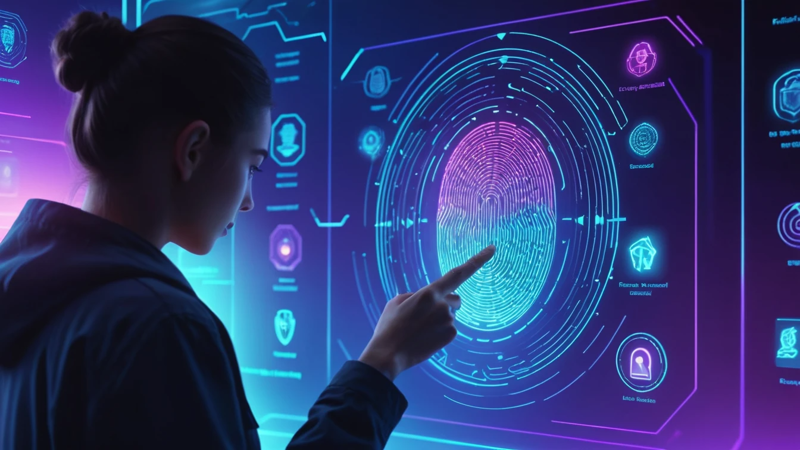
Passwordless Authentication removes weak passwords and boosts security using biometrics, magic links, and passkeys for safer, faster logins.
Passwordless authentication is a modern security approach that replaces traditional passwords with safer login methods like biometrics, passkeys, and one-time links. It reduces hacking risks, improves user experience, and strengthens digital security across apps, websites, and devices.
Have you ever forgotten a password right when you needed it most 😩? Or worried your login details might get hacked? You’re not alone. Passwords are one of the weakest links in online security today. That’s exactly why passwordless authentication is gaining momentum—and fast.
Passwordless authentication removes passwords entirely. Instead, it uses who you are or what you have to verify identity. This shift improves security, cuts login friction, and protects users from common cyber threats.
Passwordless Authentication: The Future Of Security 🔐
What Passwordless Authentication Really Means 🤔
Passwordless authentication lets users sign in without creating or remembering passwords. Instead, it relies on secure alternatives like biometrics, passkeys, or email-based links. These methods verify identity directly, reducing human error.
Passwords are easy to guess, steal, or reuse. Passwordless systems remove that risk entirely. This makes accounts harder to breach and easier to access.
Users enjoy faster logins with fewer frustrations. Businesses gain stronger security with fewer support tickets.
Why Traditional Passwords Are Failing 🚨
Passwords have been around for decades. But today’s cyber threats have outgrown them. Weak passwords and reuse across sites create massive security gaps.
Hackers exploit passwords using phishing, brute-force attacks, and data breaches. Even strong passwords can be stolen. That’s a big problem.
Here’s why passwords fail so often:
- People reuse them
- They’re easy to forget
- They’re easy to steal
- They rely on human behavior
Passwordless authentication fixes these flaws at the root.
How Passwordless Authentication Works ⚙️
Passwordless systems use secure verification methods. These confirm identity without shared secrets like passwords. Authentication happens using trusted devices or biometric data.
Most systems follow a simple flow:
- User enters email or username
- System sends a secure prompt
- User verifies using biometrics or device
This process is fast and user-friendly. It also blocks phishing attacks completely.
Popular Types Of Passwordless Authentication 🔑
There isn’t just one passwordless method. Several options exist, each with unique strengths.
- Biometrics: Fingerprint or face scan
- Passkeys: Cryptographic keys stored on devices
- Magic Links: One-time login links via email
- OTP Codes: Temporary codes sent to phone or app
Each method removes password risk. Many platforms combine them for extra security.
Passwordless Authentication Methods Compared 📊
| Method | Security Level | User Convenience | Phishing Risk |
| Biometrics | Very High | Very Easy | None |
| Passkeys | Extremely High | Easy | None |
| Magic Links | High | Easy | Very Low |
| OTP Codes | Medium | Moderate | Low |
This variety allows businesses to choose what fits best.
What Are Passkeys And Why They Matter 🗝️
Passkeys are one of the biggest breakthroughs in passwordless security. They use public-key cryptography instead of shared secrets. The private key never leaves the user’s device.
That means hackers can’t steal it. Even phishing sites become useless. Passkeys work across devices using cloud sync.
Big tech companies already support passkeys. Adoption is growing rapidly across the web.
Biometrics And Device-Based Trust 👆
Biometric authentication uses physical traits like fingerprints or facial recognition. These traits are unique and hard to fake. They’re also quick and intuitive.
Most smartphones and laptops already support biometrics. That makes adoption easier. Users don’t need extra hardware.
Device trust adds another layer. If the device is verified, access is granted smoothly.
Security Benefits That Matter Most 🛡️
Passwordless authentication drastically reduces attack surfaces. No passwords mean no credential theft. That’s a game-changer.
Key security advantages include:
- Zero phishing success
- No password reuse
- Strong cryptographic protection
- Reduced data breach impact
This aligns perfectly with modern zero-trust security models.
User Experience Gets A Major Upgrade ✨
Nobody likes passwords. Passwordless login feels effortless. Users log in faster with fewer steps.
No more resets. No more lockouts. No more frustration.
This improves engagement and retention. Happy users stay longer and trust platforms more.
Passwordless Authentication For Businesses 🏢
Businesses benefit just as much as users. Support costs drop when password resets disappear. Security teams handle fewer incidents.
It also improves compliance with security standards. Many regulations encourage stronger authentication methods.
Companies adopting passwordless see measurable ROI within months.
Industry Adoption And Real-World Use 🌍
Passwordless authentication is already everywhere. Banks, SaaS platforms, healthcare apps, and eCommerce sites use it daily.
Common use cases include:
- Employee logins
- Customer portals
- Financial apps
- Cloud dashboards
Major enterprises are leading the shift. Smaller businesses are quickly following.
Passwordless Authentication Vs MFA 🔄
| Feature | Passwordless | Traditional MFA |
| Password Required | No | Yes |
| Phishing Protection | Full | Partial |
| User Friction | Low | Medium |
| Security Strength | Very High | High |
Passwordless often replaces MFA entirely. In some cases, it enhances MFA even further.
Challenges And Limitations To Consider ⚠️
No system is perfect. Passwordless authentication has challenges too. Device dependency is one concern.
Users may lose access if devices are lost. Backup options are essential. Proper implementation matters.
Education and onboarding help reduce friction during transition.
How To Implement Passwordless Authentication 🧩
Successful implementation starts with planning. Choose methods your users already trust. Start small, then scale.
Best practices include:
- Offer multiple login options
- Provide backup recovery methods
- Educate users clearly
- Test thoroughly before rollout
A smooth rollout ensures high adoption rates.
The Role Of Zero Trust Security 🔐
Passwordless authentication fits perfectly into zero trust models. Every login is verified. No implicit trust exists.
This approach protects against insider threats too. Access is continuously validated.
Zero trust plus passwordless equals future-ready security.
What The Future Of Authentication Looks Like 🚀
Passwords are slowly disappearing. Governments, tech giants, and security experts agree. Passwordless is the future.
Expect wider passkey adoption. Expect smarter biometrics. Expect fewer breaches.
Security will become invisible yet stronger than ever.
Final Thoughts On Passwordless Authentication 🌟
Passwordless authentication isn’t just a trend. It’s a necessary evolution in digital security. By removing passwords, we eliminate the biggest security weakness. The result is safer systems, happier users, and a more secure future.
FAQs
Is passwordless authentication safer than passwords?
Yes, it removes phishing and password theft risks completely. It relies on secure devices or biometrics. This makes attacks far harder.
Can passwordless login work without smartphones?
Yes, it can use laptops, hardware keys, or email links. Smartphones are common but not required. Backup options are available.
Do passkeys replace two-factor authentication?
In many cases, yes. Passkeys provide built-in multi-factor security. They are stronger than traditional MFA.
Is passwordless authentication expensive to implement?
Costs vary by platform size. Most businesses save money long-term. Reduced support and breaches offset setup costs.
Will passwords disappear completely in the future?
Passwords will become rare. Passwordless methods are growing fast. Most experts expect passwords to fade away.



Leave a Reply