


How AI is shaping the future of work by transforming jobs, boosting productivity, and creating new career paths in a fast-changing digital world.
How AI is shaping the future of work by transforming tasks, improving productivity, and creating new career paths across industries. It automates repetitive work, supports decision-making, and helps businesses grow faster. At the same time, it changes job roles and demands new digital skills.
How AI Is Shaping The Future Of Work
Have you ever wondered if a robot could take your job—or help you get a better one? 🤔
AI is not just coming. It’s already here. From smart assistants to data analysis tools, artificial intelligence in the workplace is changing how we work every single day. The big question is not if AI will impact you. The real question is how you will adapt and grow with it.
Let’s break it down in simple words.
What Is AI In The Workplace? 🤖
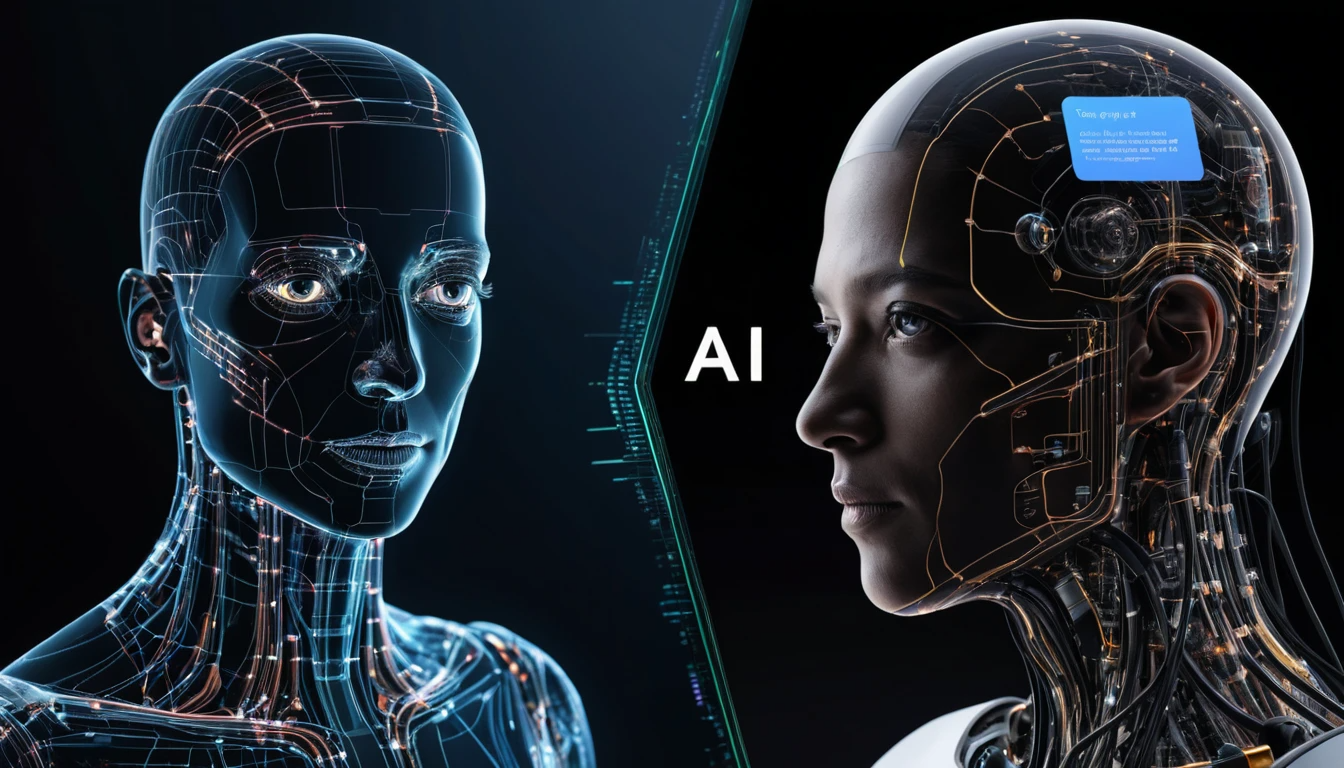
Artificial Intelligence, or AI, means machines that can think and learn like humans. They analyze data, recognize patterns, and make decisions. In the workplace, AI tools help automate tasks and solve problems faster.
Think of AI as a smart coworker. It does repetitive work without getting tired. It processes large amounts of data in seconds. And it helps humans focus on creative and strategic tasks.
For example:
- Chatbots answer customer questions.
- Software analyzes sales trends.
- Tools screen job resumes automatically.
AI in the workplace is not science fiction anymore. It’s everyday reality.
Why AI Is Transforming The Future Of Work 🌍
AI is shaping the future of work because businesses want to be faster and more efficient. Companies need to stay competitive in a digital world. AI helps them reduce costs and improve performance.
At the same time, customers expect quick service. They want instant replies and personalized experiences. AI makes that possible. It analyzes behavior and predicts what customers want next.
Here’s why AI is a game changer:
- Speeds up decision-making
- Reduces human error
- Improves productivity
- Creates new business models
In short, AI is not replacing work. It is reshaping how work gets done.
How AI Automates Repetitive Tasks ⚙️
Many jobs include boring and repetitive tasks. Data entry. Report creation. Scheduling meetings. AI handles these easily.
Automation saves time. It also reduces mistakes. For example, accounting software can process invoices automatically. HR systems can track attendance without manual updates.
Here’s a simple comparison:
| Human Work | AI Automation |
| Manual data entry | Automatic data processing |
| Checking errors manually | Real-time error detection |
| Fixed working hours | 24/7 operation |
| Slower analysis | Instant insights |
When AI handles routine work, employees can focus on higher-value tasks. That means more creativity and innovation.
New Jobs Created By AI 💼
People often fear job loss. Yes, some roles may disappear. But new jobs are also being created.
AI needs experts to build, manage, and monitor it. Companies now hire:
- AI specialists
- Data analysts
- Machine learning engineers
- AI ethics consultants
Even traditional jobs are evolving. Marketing professionals now use AI tools for data insights. Doctors use AI for medical diagnosis support. Teachers use AI platforms for personalized learning.
The future of work trends show one clear pattern: skills matter more than job titles.
Skills You Need In An AI-Driven World 🎯
So, what skills will help you succeed? Technical skills are important. But soft skills matter too.
Here are key skills for the future:
- Digital literacy
- Data analysis basics
- Critical thinking
- Creativity
- Emotional intelligence
AI can analyze data. But it cannot replace human empathy. It cannot fully understand emotions or complex ethical decisions.
The best strategy? Learn to work with AI, not against it.
AI And Remote Work Revolution 🏠
Remote work has grown fast in recent years. AI tools make it easier. Virtual assistants schedule meetings. Collaboration platforms use AI to suggest tasks and track progress.
AI also monitors productivity trends. It helps managers understand team performance. That improves efficiency without constant supervision.
Here’s how AI supports remote teams:
| Challenge | AI Solution |
| Communication gaps | Smart chat assistants |
| Task tracking | Automated project tools |
| Time management | AI scheduling systems |
| Data security | Intelligent threat detection |
Remote work plus AI equals flexibility and productivity.
AI In Hiring And Recruitment 👔
Recruitment used to take weeks. Now, AI speeds up the process. It scans resumes in seconds. It matches candidates to job descriptions. It even predicts job success.
This makes hiring faster and more accurate. But companies must use AI carefully. Bias in algorithms can create unfair results.
Smart businesses combine AI with human judgment. That creates balanced hiring decisions. Technology supports people, not replaces them.
AI And Workplace Productivity 📈
Productivity is one of the biggest benefits of AI. Businesses save time and money. Employees work smarter, not harder.
AI tools analyze performance data. They suggest improvements. They detect inefficiencies before problems grow.
Imagine having a smart assistant that reminds you of deadlines. Or software that writes reports in minutes. That’s the power of AI in the workplace.
“AI doesn’t replace humans. It replaces repetitive effort.” ✨
Industries Most Affected By AI 🏭
AI impacts almost every industry. But some sectors feel it more strongly.
Here’s a quick look:
| Industry | AI Impact |
| Healthcare | Medical imaging, diagnosis support |
| Finance | Fraud detection, automated trading |
| Retail | Personalized recommendations |
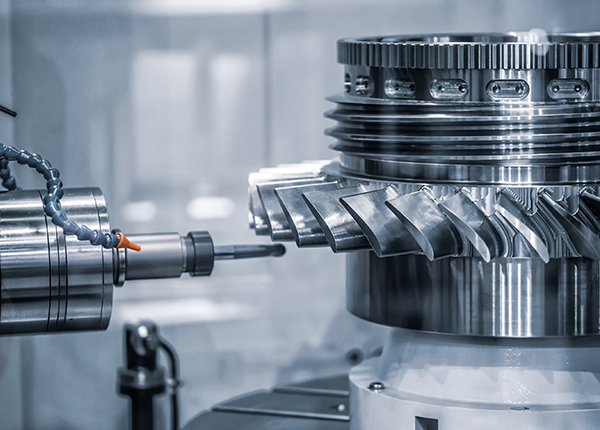
| Manufacturing | Smart robotics, quality control |
| Education | Adaptive learning systems |
From hospitals to banks, AI is everywhere. And it keeps growing.
The Role Of AI In Decision Making 🧠
AI processes huge amounts of data quickly. That helps leaders make better decisions. It predicts trends and identifies risks.
For example, companies use AI to forecast sales. Banks use it to assess credit risk. HR teams use it to predict employee turnover.
However, final decisions should still involve humans. AI provides insights. Humans provide judgment.
This balance creates smarter organizations.
AI Ethics And Job Security Concerns ⚖️
Many people worry about AI job automation. That fear is understandable. Change can feel scary.
But history shows that technology creates new opportunities. When computers arrived, people feared job loss. Instead, new industries emerged.
Ethical use of AI is critical. Companies must ensure transparency and fairness. Governments may also create regulations to protect workers.
The future of work is not about replacing humans. It’s about redesigning roles.
How Businesses Can Prepare For AI 🚀
Businesses must act now. Waiting is risky. Preparation is key.
Here are steps companies can take:
- Invest in employee training
- Upgrade digital infrastructure
- Promote a culture of innovation
- Use AI responsibly
Training employees reduces fear. It also builds trust. When workers understand AI, they use it confidently.
The companies that adapt early will lead the future.
The Human-AI Collaboration Model 🤝
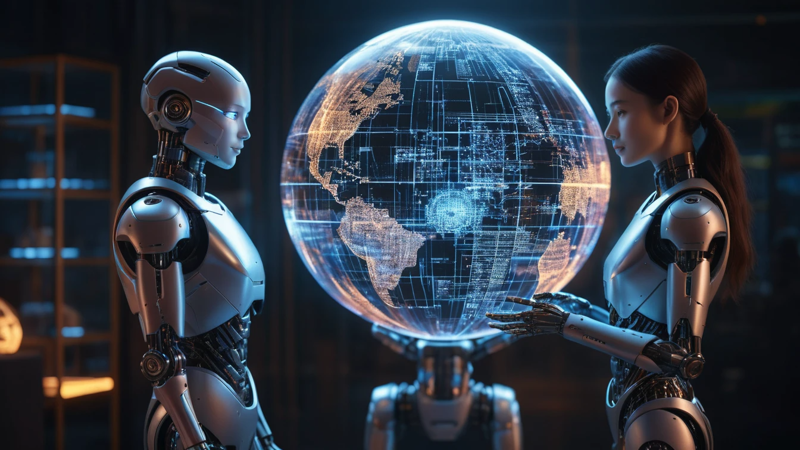
The best future is not humans versus AI. It’s humans plus AI.
AI handles data-heavy tasks. Humans handle creativity and empathy. Together, they create powerful results.
Think of AI as a bicycle for your brain. It helps you go further and faster. But you still control the direction.
Collaboration leads to growth, not competition.
AI And Continuous Learning 📚
The workplace is changing fast. That means learning never stops.
Employees must update skills regularly. Online courses and digital training help. Many platforms now use AI to personalize lessons.
Here’s a simple growth plan:
- Learn one new digital skill every year.
- Stay updated on technology trends.
- Practice problem-solving daily.
- Embrace change with curiosity.
Learning keeps you relevant.
What The Future Workplace Might Look Like 🔮
The future office may look very different. Smart systems will manage operations. Virtual reality meetings may become common.
AI assistants could summarize meetings instantly. Robots may handle physical tasks. Humans will focus on strategy and relationships.
Work may become more flexible. More remote roles. More global teams. More digital collaboration.
The future of work trends point toward agility, innovation, and continuous improvement.
Challenges Of AI Adoption ⚠️
AI adoption is not always smooth. Some challenges include:
- High implementation costs
- Data privacy concerns
- Skill gaps
- Resistance to change
Small businesses may struggle with investment costs. Employees may fear job loss. Leaders must address these concerns openly.
Clear communication reduces anxiety. Training builds confidence. Smart planning ensures smooth transition.
How Individuals Can Stay Future-Ready 🌟
Want to stay ahead? Start today.
Focus on adaptability. Build strong communication skills. Understand basic AI concepts.
Remember:
- AI rewards problem-solvers.
- AI supports creative thinkers.
- AI values lifelong learners.
You don’t need to become a coder. But you should understand how technology affects your field.
The future belongs to those who prepare for it.
Conclusion
AI is shaping the future of work in powerful and exciting ways. It automates tasks, boosts productivity, and creates new career opportunities. While some roles may change, new ones continue to emerge.
The key is simple: adapt, learn, and collaborate with technology. AI is not your enemy. It is a tool. When used wisely, it helps humans work smarter and achieve more.
The future of work is not about machines replacing people. It’s about people using smart machines to build a better world. 🚀
FAQs
Will AI replace all jobs in the future?
No, AI will not replace all jobs. It will automate repetitive tasks. New roles and industries will continue to grow.
What skills are most important in an AI-driven workplace?
Digital literacy, creativity, and critical thinking are essential. Emotional intelligence is also valuable. Combining technical and soft skills gives you an advantage.
How can small businesses use AI effectively?
Small businesses can start with affordable AI tools. They can automate customer service and marketing tasks. Gradual adoption reduces risk and cost.
Is AI safe for long-term job security?
AI changes jobs but does not eliminate all work. Workers who update their skills stay competitive. Continuous learning ensures long-term stability.
How does AI improve workplace productivity?
AI speeds up data analysis and reduces errors. It automates routine tasks efficiently. This allows employees to focus on strategic and creative work.


Leave a Reply